
 EN
EN
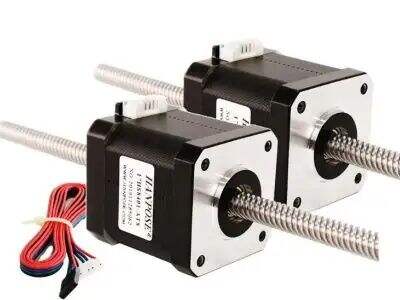
Testing stepper motors is vital to know if they work well. These motors are used for a variety of applications, from 3D printers to robots. They are key in applications where you need to precisely control movement. If you're buying or using stepper motors, knowing how to test can save time and money. In this, we will go over how to test your stepper motor. At HANPOSE we believe quality motors are important so let's dive in
Bulk Buyer's guide to stepper motors
When purchasing many stepper motors, you should check their quality. Anything you buy should be sturdy and well built. First, check out their packaging. A decent manufacturer like HANPOSE will come properly packaged. If there are gouges or scratches on the actual motor casing this probably indicates they've been handled roughly
To test connect the motor to a driver, which is basically a device sending signals to turn the motor. If, once connected, the motor doesn't turn or emits weird sounds then it's probably not a good one. The motor can be tested with a multimeter to measure the resistance of the motor coils. If there is a significant difference in readings for each coil then something might be wrong with the motor
One can test the steps by commanding the driver to perform a specific number of steps. If the number of steps actually performed is nowhere near the commanded number there might be a fault with either the motor or driver. Record everything you do during the tests in a notebook. This will be important if you need to return a faulty motor to your supplier and provide proof
Contact your supplier. If you receive a faulty motor they should replace it. A good supplier is of paramount importance. He/she can be an enormous help if you're in a tight spot. Testing the equipment correctly will improve your purchasing and your projects

Things that show quality of a stepper motor
When testing stepper motors there are some key indicators you should be aware of to ensure quality. Listen carefully to how the motor moves. A quality motor should not grind or clunk. These sounds can be indications that there are problems inside the motor itself, and that the lifespan will be diminished
Listen for how the motor warms up. If the motor is extremely hot it could be a sign of internal issues or that it's overheating. A certain degree of heat is expected with motor usage, however, it should never be scalding to the touch. If it is, stop immediately and troubleshoot
Ensure the motors performance matches the datasheets specifications. These can be extremely useful in confirming that the motor is performing exactly as it should. Any large discrepancy in performance is a red flag and should be treated as an indicator of potential issues
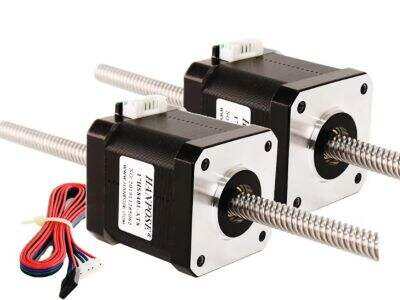
How to overcome common stepper motor problems
When using a stepper motor, it's a good idea to anticipate common issues and learn how to address them. For instance, it might not be able to move or will stutter if it's not receiving enough power. You can combat this by providing the motor with the required voltage and current. The rating can be determined from the motor's labeling or specification sheet
Wiring mistakes are also frequent issues that will prevent the motor from functioning properly. Be absolutely sure that the wires have been correctly installed and are firmly connected. Labeling wires can be very helpful in ensuring correct wiring and reduce the chance of a mistake
Keep the motor clean
A dirty motor can lead to it jamming, and cleaning is an easy solution that could improve its function greatly. Listen for unusual noises and watch out for any stuttering, which usually indicate there is a blockage or damage. Stepper motors can overheat if they are running continuously. Giving them breaks can prevent this
Ensure safety when working with electrical components. This includes wearing protective eyewear and being cautious not to touch any energized wiring. Consulting with professionals who have extensive experience with motors will be greatly beneficial if you are unsure of what to do